
Here’s a familiar scene: a company decides it’s time to modernize. They sign off on a big Enterprise Resource Planning (ERP) project, bring in consultants, run endless workshops, and after months (sometimes years) of effort—they flip the switch. The system is live. Everyone breathes a sigh of relief.
But here’s the question that comes right after go-live: are we actually getting value out of this, or did we just spend a fortune setting up digital plumbing?
That’s where planning tools like IBP integrated business planning SAP, and SAP consulting and implementation services come into the picture.
They bridge strategy and execution, turning implementation efforts into measurable business outcomes.
Why Planning Is the Missing Link
ERP systems are fantastic at recording transactions. Sales orders, purchase orders, financial postings, inventory movements—all the raw details are there. But raw details aren’t strategy.
Supply chains today are too unpredictable to manage with yesterday’s numbers. What companies need is forward-looking visibility. Not just “what happened last month,” but “seeing what might happen next, recognizing vulnerabilities, and how to respond proactively.”
That’s the gap IBP integrated business planning SAP was built to fill.
What IBP Actually Brings to the Table
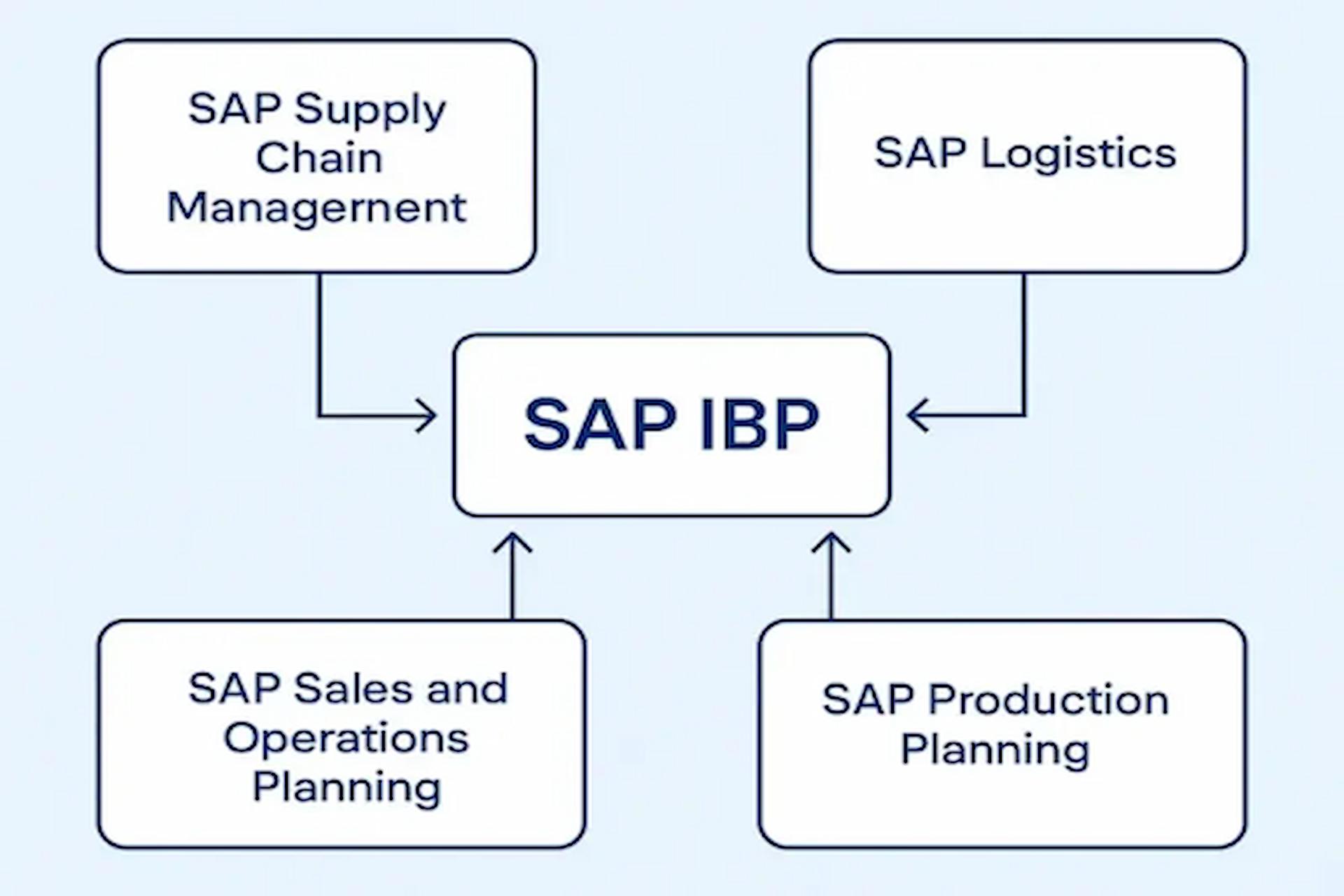
At its core, IBP is about connecting the dots—demand forecasts, supply capabilities, inventory positions, and financial targets—and running them through the same digital brain.
In practice, this means:
- Demand planning: spotting shifts in customer demand early (order trends, promotions, market changes) instead of being blindsided.
- Supply planning: checking whether your suppliers and production can actually deliver on those shifts. It supports multilevel supply planning across locations and bills of material based on real‑world limits.
- Inventory optimization: ensuring stock is in the right place—not just idling in the wrong warehouse—by balancing service levels, carrying costs, and working capital.
- Sales & operations alignment: keeping sales promises realistic and financially viable via collaboration features and performance monitoring, so all stakeholders work from the same plan.
When IBP is part of an ERP rollout, the system stops being just a giant database and starts being a decision-making engine.
Where Consulting and Implementation Fit In
Of course, none of this happens by accident. This is where SAP consulting and implementation services become critical. It’s not enough to install IBP — it has to be designed around how your business actually runs.
Good consulting teams do more than configure software. They translate business challenges into system logic. For example:
- If sales has a habit of overpromising, they build checks so capacity constraints show up before deals are signed.
- If supply chains are global and fragile, they set up alerts to flag risks before they hit customers.
- If finance and operations always argue about forecasts, they align IBP so both sides finally see the same numbers.
That kind of tailoring is what turns IBP from “just another tool” into a growth driver.
An Example
Take a consumer electronics company rolling out SAP. Before IBP, their demand planning lived in spreadsheets. Every region made its own forecast, and by the time HQ consolidated them, the data was already stale. Result? Warehouses full of the wrong products while hot sellers went out of stock.
With good SAP consulting and implementation services, IBP was layered into the rollout. Now forecasts from every region feed into a single system. Supply constraints are visible immediately.
Finance can model revenue impacts in real-time. Within a year, stockouts dropped sharply, carrying costs fell, and customer satisfaction ticked up.
The ERP alone couldn’t have delivered that. IBP made the difference.
Why This Matters for Long-Term Value
ERP projects are expensive. Everyone knows that. The real payoff isn’t just going live — it’s whether the system keeps helping the business compete years later.
IBP ensures the ERP investment doesn’t stall out as “transaction software.” It pushes it into the realm of strategic planning.
And with the right SAP consulting and implementation services, the tool is continuously adapted as the business evolves — new markets, new products, new supply chain realities.
Common Pitfalls Without IBP
Skip IBP, and here’s what usually happens:
- Demand forecasts are reactive, based on lagging reports. This often leads to under‑stocking of high‑demand items.
- Supply chain teams get blindsided by constraints they couldn’t see coming.
- Finance and operations waste weeks reconciling numbers from different regions or business units, leading to multiple versions of “truth”.
- The ERP becomes a glorified record-keeper instead of a growth engine offering little help with proactive decisions, risk management, or optimization.
That’s not what anyone spends millions of dollars on ERP for.
Bottom Line
So, what’s the role of IBP in consulting and implementation projects? It’s the bridge between data and decisions.
- IBP integrated business planning SAP gives companies the foresight to act instead of react.
- SAP consulting and implementation services make sure that foresight is baked into the way the business actually operates.
Together, they transform ERP from a static system into a living, forward-looking platform that drives real value.
Because at the end of the day, it’s not about “having SAP.” It’s about using it to make better calls, faster, with fewer surprises. And that’s exactly what IBP makes possible.