
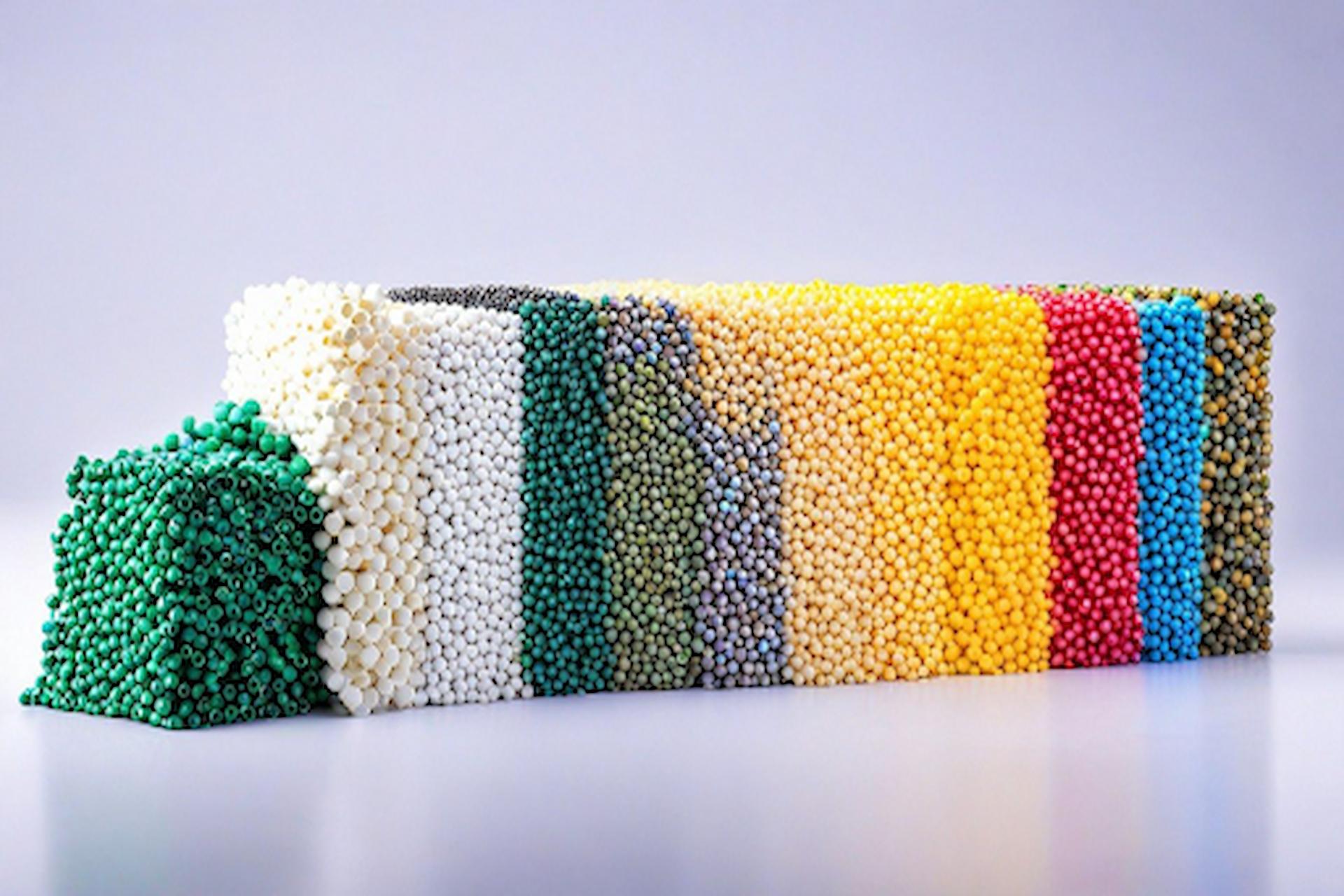
Think about how your elegant smartphone casing would become yellow and brittle, or how the important wiring inside an electric vehicle would break down too soon in the sun. This isn’t a story from science fiction; it’s the quiet menace of UV radiation. As electronics become smaller, become part of everything, and are used in tougher conditions, a hero appears: Anti-UV Masterbatch. This isn’t simply an additive; it’s the invisible armour that protects the performance and longevity of contemporary electronics packaging and conductive parts. Let’s look at why the demand for it is so high.
1. The Silent Threat: How UV Rays Can Ruin Electronics
If electronics packaging is left outdoors for a long period, it may become brittle, crack, and turn yellow. This makes the product worse and undermines the brand’s reputation. UV degradation with anti UV masterbatch makes insulation less effective, increases electrical resistance, and makes conductive applications like wire harnesses, connectors, and printed circuit board housings more likely to fail. Not defending against UV radiation puts the product’s dependability and the safety of its consumers at risk.
2. Cost Savings Made Clear: Keeping the Bottom Line Safe
It’s far cheaper to include anti-UV protection up front than to cope with problems afterward. Masterbatch adds very little to the cost of each unit, but it greatly increases the product’s longevity, lowers the number of failures, and lowers the number of returns. It turns a possible cost centre into a strong protection for making money and keeping customers happy.
3. Long-Lasting and Good for the Environment
A lot of electrical waste happens too soon because of UV damage. Anti-UV masterbatch directly fights e-waste by greatly prolonging the useful life of plastic parts in electronics. Strong packaging keeps precious electronics safe for longer, and strong conductive components keep working consistently, which means fewer replacements and less waste of resources. A key part of green design is making things that last.
4. Making Sure Your Future in a Connected World
As the Internet of Things (IoT) grows and electronics become more common outside (smart cities, agricultural sensors, EV charging stations), UV exposure is unavoidable. Around the world, rules that require products to be safe and last longer are becoming stricter. Anti-UV masterbatch is no longer just a speciality product; it’s become a necessary part of the infrastructure for dependable communication. It makes sure that sensitive electronics can live and work in the real environment, which opens the door for new technologies that need consistent performance.
Conclusion
The rise in demand for anti-UV masterbatch is not just a trend; it is a fundamental change brought about by the constant need for smaller, more portable, and better-performing electronics. Conductive compounds are a creative, cheap, and long-lasting way to make sure that a lot of different things, such as packaging for consumer electronics and mission-critical conductive components, are safe and work well. Putting this invisible screen in place is the only way to protect against the sun’s constant beams and make sure that new ideas endure.